


- 84 Views
- 2 Min Read
- (0) Comment
Munnar sits high in the Western Ghats, where rolling tea slopes, cool mist and winding roads make a welcome break from Kerala’s coastal heat. Most visitors tick off a few viewpoints and leave. Staying a little longer shows a quieter side.
When to go
Munnar is pleasant for most of the year, but September to May is generally the most comfortable window for sightseeing. Winter mornings can be chilly, so pack a light jacket. The monsoon brings green hills and heavy mist, but also landslide risk on some roads, so check conditions before you travel.
Munnar is also known for the Neelakurinji, a hillside shrub that blooms in a blue wave about once every twelve years. The last big bloom was in 2018, so plan ahead if you want to see the next one.
The best Munnar mornings start before the viewpoints open, with a cup of tea and nothing else on the schedule.
Cuckoo Tours travel desk
What to see
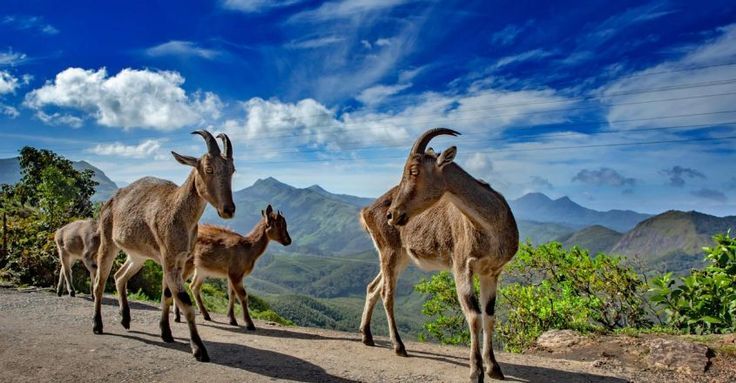
Start with the tea. A walk through an estate at sunrise, followed by a tea museum visit, explains how the leaf travels from bush to cup. Eravikulam National Park is home to the Nilgiri tahr, a mountain goat found in few other places. The park usually closes for a few weeks in the early part of the year for the calving season, so confirm dates before you plan around it.
For views, try Top Station and Mattupetty Dam. Go early, when the light is soft and the crowds are thin.
Where to slow down
Choose a stay inside or beside an estate rather than in the busy town centre. You will wake to birdsong instead of traffic, and many homestays serve simple Kerala breakfasts with estate tea.
Quick tips
- Allow at least two nights so you are not rushing between viewpoints
- Carry cash for small shops and entry fees in remote spots
- Book park tickets and taxis ahead in peak season



Leave a comment: